Accurate weather data is crucial for everything from gardening to planning outdoor activities, and your weather station’s rain gauge is a key player in this process. However, over time, these sensitive instruments can become clogged with various debris, leading to inaccurate readings or even a complete failure to record rainfall. Keeping your rain gauge clean is a simple yet vital maintenance task that ensures you receive reliable precipitation data. This guide will walk you through a quick and effective DIY cleaning process, helping you maintain your weather station’s precision with minimal effort.
Why Your Rain Gauge Needs Regular Cleaning
Your weather station’s rain gauge is designed to precisely measure the amount of precipitation. Most modern weather stations utilize a tipping bucket mechanism, where a small bucket collects a specific volume of water, tips, and then empties, with each tip registering a unit of rainfall. This ingenious system, however, is highly susceptible to interference from its environment.
Over time, various elements can accumulate within the rain gauge, obstructing its delicate components. Common culprits include leaves, twigs, pollen, dust, dirt, spiderwebs, and even insects like spiders and wasps who find the sheltered space an ideal nesting spot. Algae and moss can also begin to grow in humid conditions. Any blockage, no matter how small, can prevent the tipping buckets from moving freely or impede water flow through the funnel and sieve. This directly impacts the accuracy of your readings, potentially leading to under-reporting of rainfall or, in severe cases, the gauge failing to record any precipitation at all. Regular cleaning is the only way to safeguard your data integrity and ensure your weather station functions as intended.
Essential Tools for a Quick Rain Gauge Clean
You don’t need a specialized kit to effectively clean your weather station’s rain gauge. Most of the necessary tools are likely already in your home. Gather these simple items before you begin:
- Soft Brush or Old Toothbrush: Ideal for scrubbing away stubborn dirt, cobwebs, and reaching into tight spaces without scratching surfaces.
- Mild Dish Soap: A gentle cleanser to cut through grime and organic buildup.
- Warm Water: For washing and rinsing.
- Damp Cloth or Lint-Free Tissue: For wiping down components.
- Screwdriver (Phillips head or small crescent wrench): Depending on your specific model, you might need this to open the housing or detach parts.
- Car Wax (optional): A small amount applied to tipping cups can help water flow more smoothly, preventing adhesion.
- Mothballs or Vapona Strips (optional): These can be used as insect deterrents in specific areas.
Having these items readily available will make the cleaning process smooth and efficient, allowing you to quickly restore your rain gauge to optimal working condition.
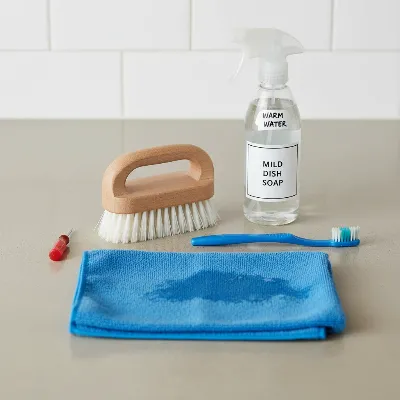 Essential tools for DIY weather station rain gauge cleaning including brushes, soap, and cloth.
Step-by-Step DIY Cleaning Process for Your Rain Gauge
Cleaning your rain gauge is a straightforward task that can be completed in a short amount of time with the right approach. Follow these steps for a thorough and effective clean.
Preparation and Disassembly
|
Our Picks for the Best Weather Station in 2026
As an Amazon Associate I earn from qualifying purchases.
|
||
| Num | Product | Action |
|---|---|---|
| 1 | AcuRite Iris (5-in-1) Indoor/Outdoor Wireless Weather Station for Indoor and Outdoor Temperature and Humidity, Wind Speed and Direction, and Rainfall with Digital Display (01512M) |

|
| 2 | 14-in-1 Wireless Weather Station with Outdoor Wireless Sensor,Radio-Controlled Clock,Rain Gauge,Wind Speed/Direction,Moon Phase,Wind Chill Index,Outdoor Dew Point,Barometer(NO WiFi) |
|
| 3 | 10-in-1 Wireless Weather Station,with Outdoor Sensor,Rain Gauge,Atomic Clock,Wind Speed/Wind Direction,Indoor Temperature and Humidity,Barometer,Weather Forecast, etc.(NO WiFi) |
|
| 4 | Sainlogic Smart WiFi Weather Station with 24H/7Days Accurate Weather Forecast by Weatherseed® AI, 8.5" Large Display,UV,Sun Light,Rain Gauge,Wind Gauge,2-Year Data Storage & Export, Only 2.4G |
|
| 5 | Sainlogic Smart WiFi Weather Stations Wireless Indoor Outdoor SA68 Plus,24/7 AI Weather Forecast by Weatherseed®,APP/Email Alert,Home Weather Station with Rain Gauge,2-Year Data Storage(Only 2.4G) |
|
| 6 | Sainlogic WiFi Smart Weather Station SA9 with 24H/ 7Days Accurate Weather Forecast by Weatherseed® AI, 8.5" Large Display,UV,Sun Light,Rain Gauge,Wind Gauge,2-Year Data Storage & Export(Only 2.4G) |
|
| 7 | WiFi Weather Station Wireless Indoor Outdoor, Thermometer with Rain Gauge and Wind Speed/Direction, Large Display for Weather Forecast, Temperature, Humidity, Clock, Alarm, UV, Air Pressure, Black |
|
| 8 | Ambient Weather WS-2000 Smart Weather Station with WiFi Remote Monitoring and Alerts |
|
| 9 | Tempest Weather Station with Built-in Wind Meter, Rain Gauge, and Accurate Weather Forecasts, Wireless, App and Alexa Enabled |
|
| 10 | Ambient Weather WS-2902 WiFi Smart Weather Station |
|
Before you begin, prioritize safety and prevent recording erroneous data. If your weather station is battery-powered, remove the batteries. For wired units connected to a data logger, it’s advisable to disconnect the wires to avoid recording false tips during the cleaning process.
Next, you need to access the internal components of your rain gauge. This typically involves detaching the rain collection funnel or opening the sensor housing. Many models feature a twist-and-lift mechanism where you rotate the funnel counter-clockwise and then lift it off. Other designs may require unscrewing a few fasteners at the base or along the housing. Always refer to your weather station’s user manual for specific instructions on how to safely disassemble your model, as methods can vary between manufacturers.
Removing Debris and Washing Components
Once the internal mechanism is exposed, begin by physically removing any large debris. Use your hands, the old toothbrush, or a pointy object to clear out leaves, twigs, spiderwebs, and insects from the collection funnel, any installed sieve, and the general collection area. Pay close attention to the tipping buckets themselves. Gently dislodge any visible dirt or organisms that might impede their movement.
After removing the larger obstructions, it’s time for a wash. Use warm water mixed with a few drops of mild dish soap. With a damp cloth or the soft brush, thoroughly clean the interior and exterior of the funnel, the sieve (if removable), and the collection container. For the delicate tipping buckets, gently wipe them with a damp cloth or use the soft brush with soapy water. It’s crucial to be very careful with these components as they are precisely balanced. Avoid applying excessive pressure or scrubbing aggressively. Importantly, do not use harsh chemical cleaners or abrasive pads, as these can damage the plastic or sensitive coatings on the gauge’s parts, potentially affecting future accuracy. Isopropyl alcohol can be used for cleaning specific parts like siphon assemblies or filters, but always confirm compatibility with your device’s materials first.
Rinsing, Drying, and Reassembly
After washing, rinse all components thoroughly with clean, clear water. It’s essential to remove all soap residue, as any film left behind can attract new dirt or affect water flow. Ensure that water can flow freely through the funnel and any drainage holes.
Allow all parts to air dry completely before reassembling your rain gauge. Reinstall the sieve and funnel, ensuring they are seated correctly. If you disconnected any wires, reconnect them, and if you removed batteries, reinstall them. As a final step, check that the entire rain gauge assembly is level. Many weather stations have a small bubble level for this purpose. An unlevel gauge can cause the tipping buckets to tip prematurely or unevenly, leading to inaccurate measurements. Adjust your mounting bracket or post as necessary to achieve perfect leveling.
Pro Tips for Enhanced Performance
To further enhance the performance and longevity of your rain gauge, consider these professional tips:
- Apply Car Wax to Tipping Cups: A small amount of car wax, applied with a soft cloth to the inside of the tipping cups, can create a smoother surface. This helps rainwater flow through more easily and prevents water droplets from sticking, ensuring more precise measurements and reducing residue buildup.
- Insect Deterrents: To deter spiders, wasps, and other insects from nesting inside your rain gauge, you can place a small piece of a mothball or Vapona strip in a nook near the tipping mechanism, securing it with tape. These repellents can significantly reduce insect-related blockages.
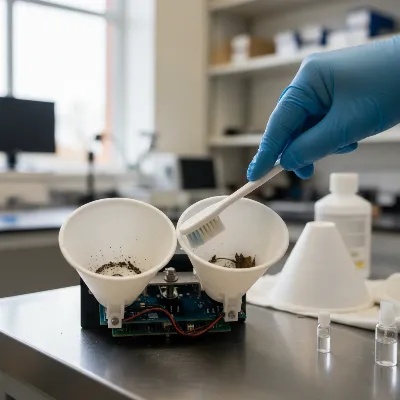 Close-up view of a weather station's rain gauge internal components being cleaned.
Preventing Future Clogs and Algae Build-up
Proactive measures can significantly reduce the frequency of thorough cleanings and maintain your rain gauge’s accuracy.
- Regular Inspection: Make it a habit to perform quick visual inspections of your rain gauge regularly, especially after heavy rainfall or strong winds. Check for any visible debris in the funnel or around the tipping mechanism.
- Optimal Cleaning Frequency: While a deep clean twice a year is generally recommended, consider cleaning your rain gauge every three months, or even weekly during particularly wet seasons or if your location is prone to high pollen, leaves, or insect activity. The surrounding environment (e.g., proximity to trees, orchards, or dusty areas) will dictate the ideal schedule.
- Site Selection: When installing or relocating your weather station, choose a site that is as clear as possible from overhanging branches, tall vegetation, or structures that can drop debris or create splash-back. Clearing vegetation around the base of the gauge also helps.
- Physical Barriers: Some rain gauges can benefit from bird guards, which are designed to deter birds from perching and leaving droppings or nesting materials. While primarily for rain barrels, the concept of a mesh screen over the collection funnel can help prevent larger debris from entering, though this may require more frequent clearing of the screen itself.
- Limit Sunlight Exposure: Algae thrives in sunlight. While difficult for a weather station exposed to the sky, if parts of your collection system are opaque, ensuring they block light can help inhibit algae growth.
Maintaining a clean and unobstructed rain gauge is essential for accurate weather monitoring. By incorporating these DIY cleaning and prevention tips into your routine, you can ensure your weather station provides dependable precipitation data for years to come.
Conclusion
A well-maintained rain gauge is the cornerstone of reliable precipitation data from your weather station. As an essential tool for understanding local weather patterns, its accuracy directly impacts the quality of information you receive. By following this fast DIY guide—regularly removing debris, gently washing components with mild soap and water, ensuring thorough rinsing and drying, and proactively preventing future clogs—you empower your Weather Station to perform optimally. This consistent care not only extends the lifespan of your equipment but also guarantees that your rainfall measurements are always trustworthy and precise. How often do you find yourself needing to clear your rain gauge, and what unexpected items have you discovered inside?