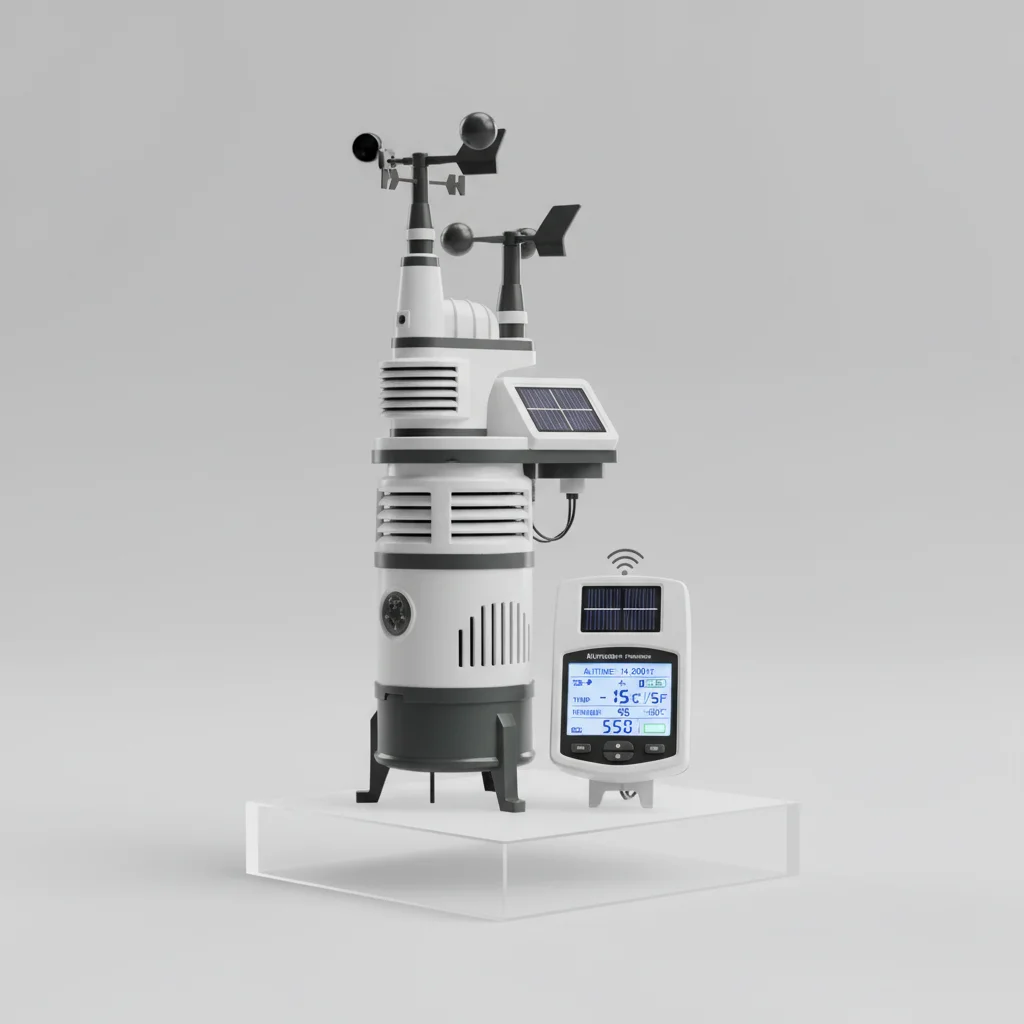
When selecting a weather station for high-altitude environments, it is crucial to prioritize models designed to withstand extreme conditions, including lower atmospheric pressure, intense UV radiation, and significant temperature fluctuations. The best options typically feature robust construction, accurate barometric pressure sensors, and reliable wind and temperature measurements calibrated for thinner air. These specialized stations ensure precise and durable high-altitude weather monitoring.
Understanding High-Altitude Challenges for Weather Stations
High-altitude environments present unique challenges that standard weather stations may not be equipped to handle. Lower atmospheric pressure affects barometric readings, requiring sensors that can accurately compensate. Increased UV exposure can degrade plastic components over time, making material durability a critical factor. The wider temperature swings and potential for extreme cold demand components that remain functional and accurate across a broad thermal range. Icing can also be a significant issue for moving parts like anemometers and rain gauges. For expert home weather reviews on this site.
- Robust, UV-resistant materials for all external components.
- Barometric pressure sensors with high-altitude compensation.
- Heated anemometers and rain gauges for ice prevention.
- Wide operating temperature range for all sensors.
- Secure mounting options to withstand strong winds.
Key Features for High-Altitude Performance
For optimal performance in high-altitude settings, look for weather stations that offer specific features. Barometric pressure sensors should be capable of accurate readings at lower pressures, often with built-in altitude compensation. Wind sensors need to be exceptionally durable, as high-altitude locations frequently experience stronger and more sustained winds. Temperature sensors must be reliable across a wide range, from sub-zero to potentially warm, direct-sunlight conditions. Solar radiation shields are also vital to prevent inaccurate temperature readings due to direct sun exposure.
Consider models with integrated heating elements for critical sensors like anemometers and rain gauges. This prevents ice buildup, which can severely impair accuracy and even damage the equipment. Powering these features often requires a robust solar panel and battery system, or a reliable external power source if available.
Recommended Weather Station Types for High Altitudes
|
Our Picks for the Best Weather Station in 2026
As an Amazon Associate I earn from qualifying purchases.
|
||
| Num | Product | Action |
|---|---|---|
| 1 | Ambient Weather WS-2902 WiFi Smart Weather Station |

|
| 2 | Sainlogic WiFi Smart Weather Station SA9 with 24H/ 7Days Accurate Weather Forecast by Weatherseed® AI, 8.5" Large Display,UV,Sun Light,Rain Gauge,Wind Gauge,2-Year Data Storage & Export(Only 2.4G) |
|
| 3 | Sainlogic Smart WiFi Weather Station with 24H/7Days Accurate Weather Forecast by Weatherseed® AI, 8.5" Large Display,UV,Sun Light,Rain Gauge,Wind Gauge,2-Year Data Storage & Export, Only 2.4G |
|
| 4 | Sainlogic Smart WiFi Weather Stations Wireless Indoor Outdoor SA68 Plus,24/7 AI Weather Forecast by Weatherseed®,APP/Email Alert,Home Weather Station with Rain Gauge,2-Year Data Storage(Only 2.4G) |
|
| 5 | Ambient Weather WS-2000 Smart Weather Station with WiFi Remote Monitoring and Alerts |
|
| 6 | AcuRite Iris (5-in-1) Indoor/Outdoor Wireless Weather Station for Indoor and Outdoor Temperature and Humidity, Wind Speed and Direction, and Rainfall with Digital Display (01512M) |
|
| 7 | WiFi Weather Station Wireless Indoor Outdoor, Thermometer with Rain Gauge and Wind Speed/Direction, Large Display for Weather Forecast, Temperature, Humidity, Clock, Alarm, UV, Air Pressure, Black |
|
| 8 | 14-in-1 Wireless Weather Station with Outdoor Wireless Sensor,Radio-Controlled Clock,Rain Gauge,Wind Speed/Direction,Moon Phase,Wind Chill Index,Outdoor Dew Point,Barometer(NO WiFi) |
|
| 9 | Tempest Weather Station with Built-in Wind Meter, Rain Gauge, and Accurate Weather Forecasts, Wireless, App and Alexa Enabled |
|
| 10 | 10-in-1 Wireless Weather Station,with Outdoor Sensor,Rain Gauge,Atomic Clock,Wind Speed/Wind Direction,Indoor Temperature and Humidity,Barometer,Weather Forecast, etc.(NO WiFi) |
|
Professional-grade weather stations are generally the most suitable for high-altitude applications due to their superior build quality and sensor accuracy. Brands like Davis Instruments and Ambient Weather offer models with features specifically designed for harsh environments. These often include industrial-grade sensors, more durable housing, and advanced data logging capabilities. While the initial investment might be higher, the longevity and reliability in challenging conditions make them a cost-effective choice in the long run.
When evaluating specific models, pay close attention to their stated operating temperature ranges and wind resistance specifications. Some manufacturers explicitly mention high-altitude suitability or offer accessories designed for such conditions. Always check user reviews from those operating stations in similar environments for real-world insights.
Installation and Maintenance Considerations
Proper installation is paramount for a high-altitude weather station. Ensure the mounting pole is securely anchored to withstand strong winds and potential snow loads. Position sensors according to manufacturer guidelines to avoid obstructions and ensure accurate readings. Regular maintenance, while challenging in remote, high-altitude locations, is essential. This includes checking for ice buildup, cleaning sensors, and verifying battery health, especially before winter seasons.
Consider remote monitoring capabilities, which allow you to access data and check station status without physically visiting the site. This is particularly valuable for stations in inaccessible or dangerous high-altitude locations.Regularly inspect cables and connections for wear and tear, as extreme weather can accelerate degradation.
Data Interpretation and Calibration
Interpreting data from a high-altitude weather station requires an understanding of how altitude affects various meteorological parameters. For example, wind speeds can be higher, and temperatures can fluctuate more dramatically than at sea level. Barometric pressure readings will naturally be lower, so ensure your station’s software or display correctly compensates for altitude if you need sea-level equivalent pressure. Regular calibration checks, especially for pressure and temperature sensors, are important to maintain accuracy over time.
Some advanced weather stations offer features for custom calibration or provide detailed data logs that can be analyzed to identify any discrepancies. Understanding the typical weather patterns and microclimates of your specific high-altitude location will also help in validating the data collected by your station.
Frequently Asked Questions
What are the main challenges for weather stations at high altitudes?
High-altitude environments present challenges such as lower atmospheric pressure, intense UV radiation, significant temperature fluctuations, and potential icing. These conditions require specialized sensors and durable materials to ensure accurate and reliable operation.
Which specific features are essential for high-altitude weather station performance?
Essential features include barometric pressure sensors with high-altitude compensation, durable wind sensors, temperature sensors with a wide operating range, and solar radiation shields. Integrated heating elements for anemometers and rain gauges are also crucial to prevent ice buildup.
What types of weather stations are best suited for high-altitude use?
Professional-grade weather stations are generally the most suitable for high-altitude applications. Brands like Davis Instruments and Ambient Weather offer models with industrial-grade sensors, durable housing, and advanced data logging capabilities designed for harsh environments.
How important is proper installation for a high-altitude weather station?
Proper installation is paramount for a high-altitude weather station. The mounting pole must be securely anchored to withstand strong winds and snow loads, and sensors should be positioned according to manufacturer guidelines to ensure accurate readings.
How does altitude affect weather data interpretation?
Altitude affects data interpretation by causing higher wind speeds, more dramatic temperature fluctuations, and naturally lower barometric pressure readings compared to sea level. Stations should compensate for altitude to provide sea-level equivalent pressure if needed.

Finally, a weather station that actually works where I live! The temperature fluctuations here are no joke, and my old one couldn’t keep up. This post really highlighted the importance of accurate wind and temperature measurements, and the model I picked based on these recommendations has been fantastic. It’s been incredibly reliable.
I live at 9,000 feet and needed something that could really handle the elements. This post’s emphasis on robust construction for high-altitude environments was spot on. My new station has been through a few intense storms already, and it’s holding up perfectly. The readings are consistently accurate, which is a huge relief.
I appreciated the mention of UV exposure and material durability. My last station basically disintegrated after a couple of years. This new one feels sturdier, but the wind speed sensor seems a little finicky in really strong gusts. It sometimes gives inconsistent readings when the wind really picks up, which is a bit frustrating.
The info about barometric pressure sensors calibrated for thinner air was super helpful. I’ve had issues with other stations giving weird readings up here. This one seems to be doing a much better job. I just wish the display was a little brighter for when I check it early in the morning.